
September 30 : the National Day for Truth and Reconciliation
September 30 is the National Day for Truth and Reconciliation. Truth and Reconciliation Day is an opportunity to learn about and reflect on the difficult history and enduring resilience of Indigenous Peoples in the face of colonialism. For many public-service employees, September 30 is a day off. However, it is meant to be a day of reflection and action, not a holiday.
| Reconciliation requires us to act consistently, to listen deeply, and to walk equally alongside Indigenous communities. To work toward positive change.”
- BC PSAC Regional Executive Vice-President Jamey Mills |
As we take a day to reflect on settler colonial legacies, reparations and reconciliation, there are concrete steps those of us who are settlers can take today to move justice forward for Indigenous People.
- Read the Truth and Reconciliation Commission Report to learn about the realities faced by Indigenous Peoples in this country. Read the Calls to Action, a document that recommends ways forward toward justice and repair.
- Wear orange to show your solidarity with the children who suffered at residential schools and the families who were left behind, many of whom still don’t know where their kids went.
- If you are a PSAC member, the online course [DB1] Walking in our Truth Together is an opportunity to increase your awareness of Indigenous realities and deepen your understanding of meaningful steps to reconciliation.
- Canadian Heritage maintains a website that explores the history behind National Day for Truth and Reconciliation, and provides a cross-country list of events held on and around the day.[DB2]
- All public-service employees can access the Canada School of Public Service’s suite of Indigenous learning products, which includes workshops, tools and resources to grow your cultural knowledge and skills.[DB3]
- Contribute to an Indigenous-led community organization. There are organizations that support Indigenous children and families or foster cultural and linguistic preservation.
- Make time to learn about creating an inclusive environment in the workplace. The JLP offers learning activities that explore racism and anti-racism: Respecting Differences/Anti-Discrimination, an in-person workshop that looks at effective strategies for building a discrimination-free workplace, and the virtual discussion, Anti-Racism: Let’s Talk!
Take the time this day to reflect, learn and deepen your understanding of the story of colonial Canada, and the effects of colonialism on its Indigenous Peoples. Not looking away is a first step toward reparation and reconciliation.
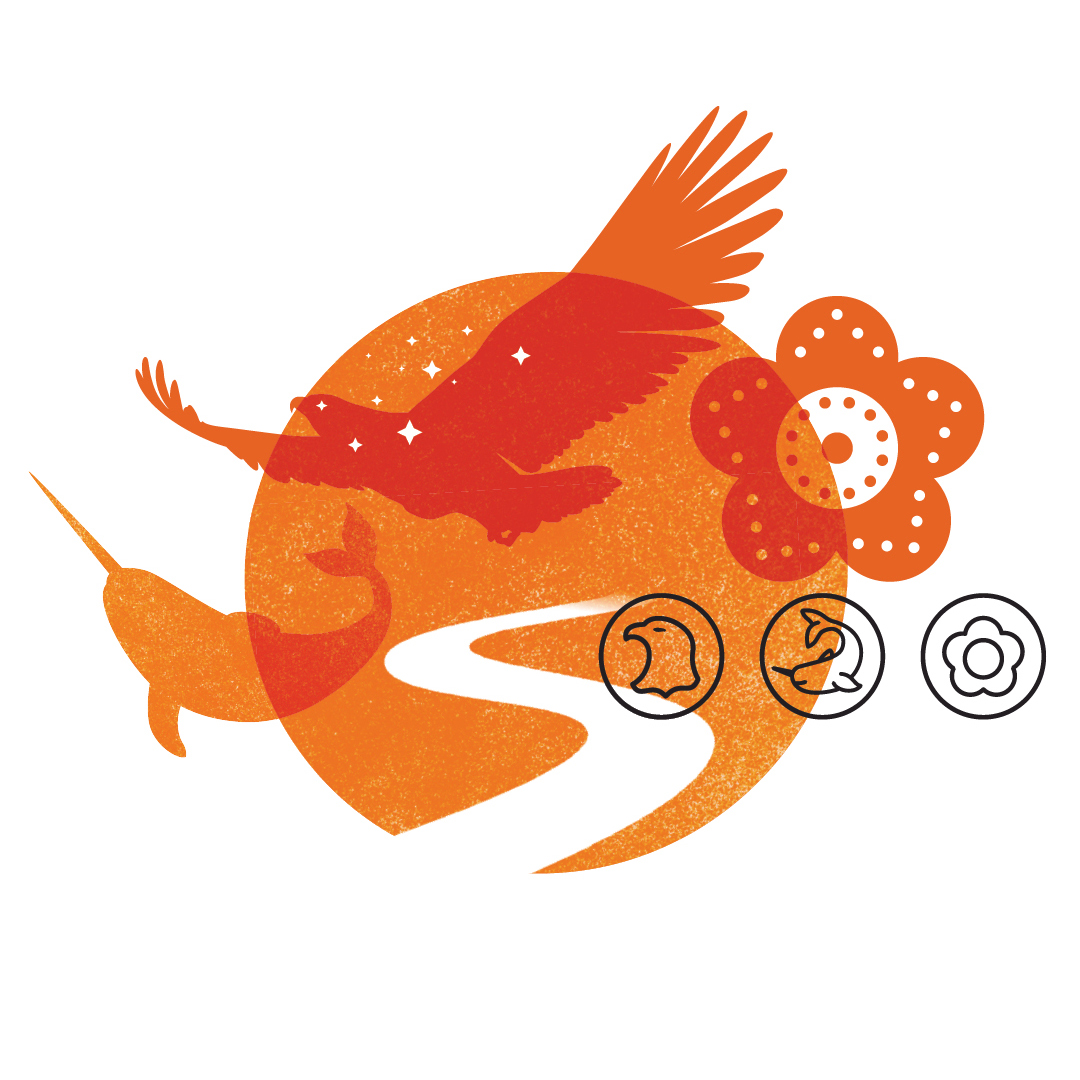
Image courtesy of cirnac-rcaanc.gc.ca
A National Indian Residential School Crisis Line has been set up to provide support for former Residential School students and those affected. Emotional and crisis referral services are available by calling the 24-hour national crisis line at 1-866-925-4419.